
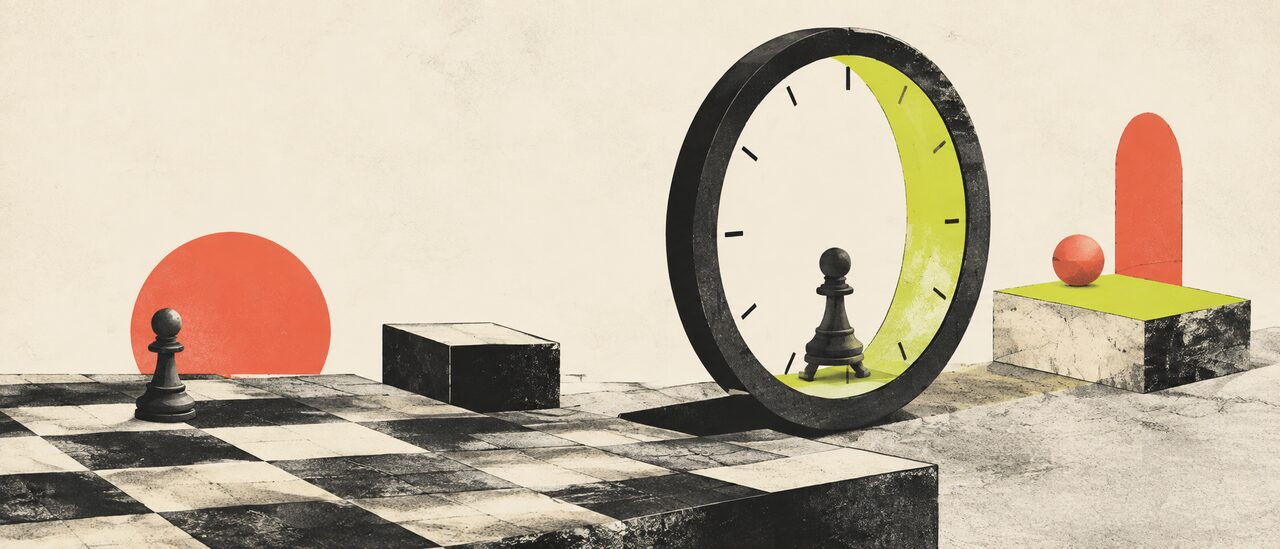
Try organizing a fair contest when one entrant can object to the date by visiting a different one. You can book the venue, print the schedule and explain the rules. The schedule has already lost its authority.
My pick for the most powerful hero in Heroes is Hiro Nakamura, using one specific definition: the ability to change the conditions under which a problem has to be faced. That is an editorial choice, not an official ranking or a claim that Hiro wins every encounter.
There are premise spoilers below, including the broad abilities of several characters. The hypothetical contests are invented thought experiments, not descriptions of particular episodes.
First, decide what the contest is measuring
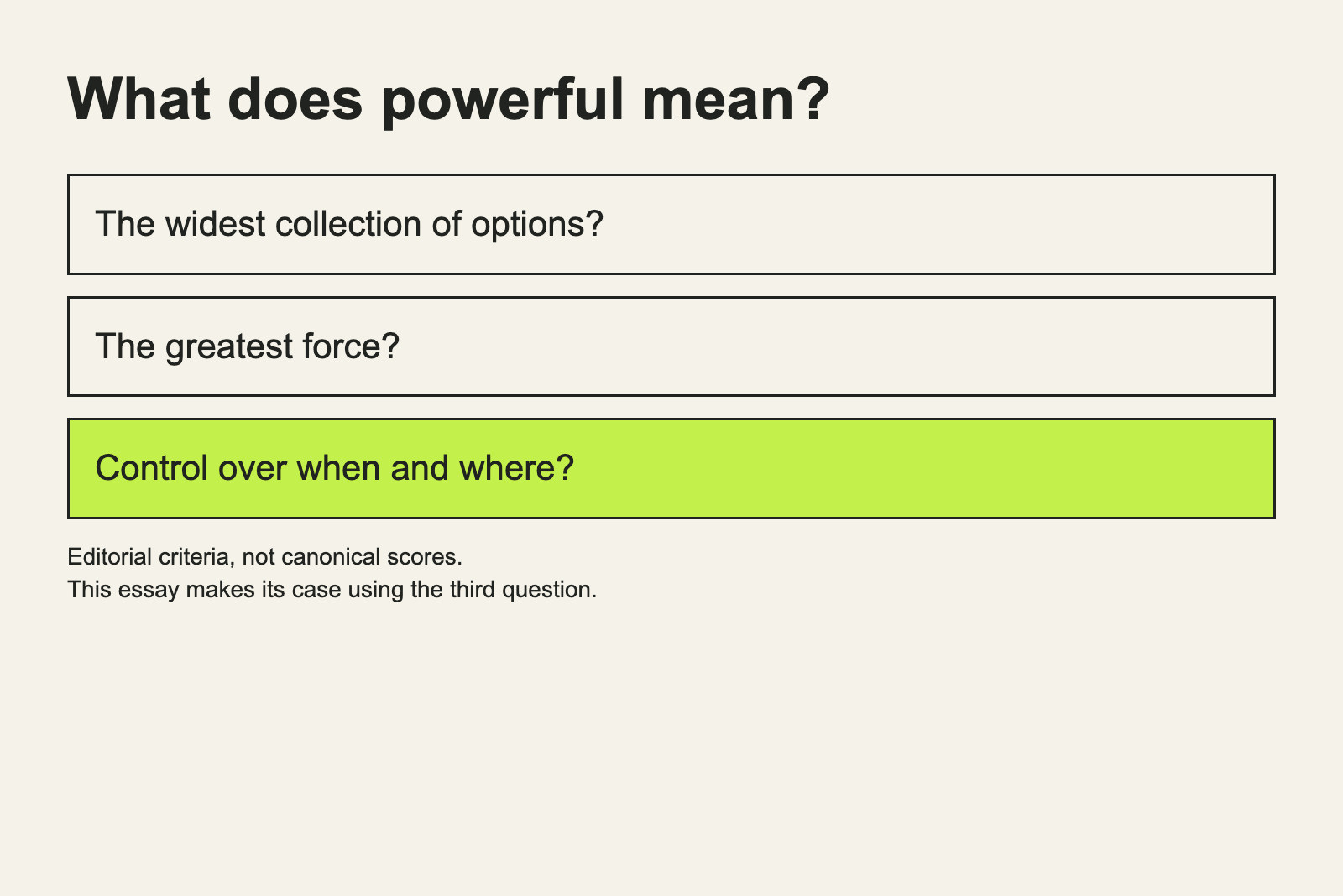
“Most powerful” can mean the largest collection of abilities, the most destructive effect or the most reliable way out of trouble. Those questions need not produce the same answer.
A character who can survive an attack has a different advantage from one who can avoid being there. A character with useful information still has to act on it. A flexible ability can matter more than an impressive display, depending on the problem.
For this argument, I care about control over the encounter. Who has the strongest claim on where it happens, when it happens and whether the proposed confrontation has to happen in its current form? That is a more interesting contest than comparing imaginary damage numbers.
It also gives the other candidates a fair route to disagree. Change the criterion and the verdict can change. The mistake is quietly switching criteria halfway through the argument because your favorite character has entered the room.
Hiro makes the appointment negotiable
TV Insider’s 2020 interview with Masi Oka and Greg Grunberg identifies Hiro with time travel and teleportation. The same piece describes Peter Petrelli’s ability to take on others’ abilities and Matt Parkman’s mind reading. Those broad descriptions are enough to establish the comparison here.
Travel through time and movement between places create a particular kind of story problem. A normal obstacle assumes that the person must deal with the situation from their present position. Change that assumption and the obstacle needs to explain itself again.
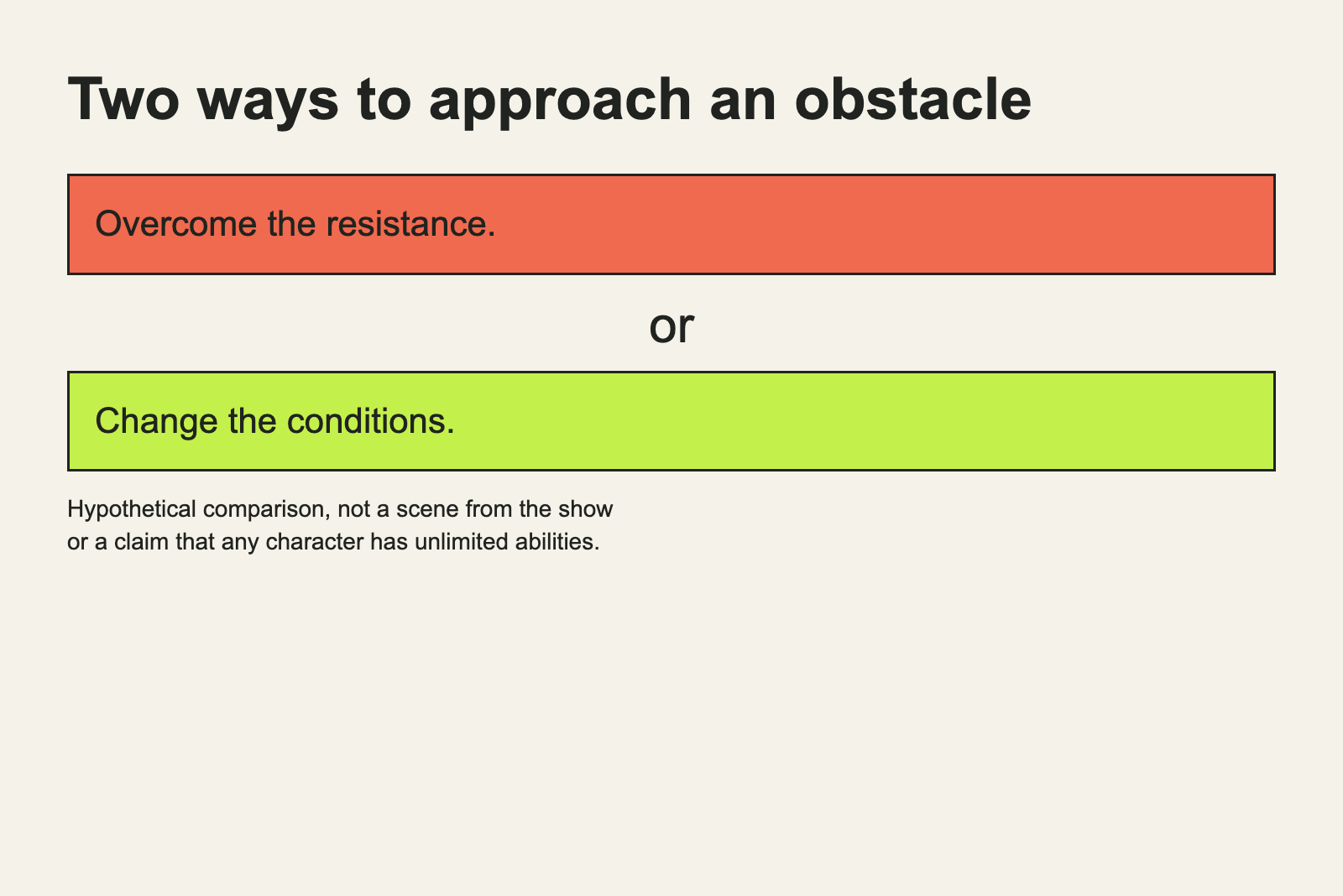
In an invented locked-room puzzle, for example, physical force is one possible answer. Leaving the room by another means is a different answer. Discovering the problem earlier is different again. These examples illustrate the criterion; they do not establish that Hiro could solve every version of such a puzzle.
The useful distinction is between overcoming resistance and changing the situation that supplies the resistance. Hiro’s broad power concept gives the second option an unusually large role. The contest organizer would like everyone to stop discussing this and stand on their assigned marks.
Peter has the obvious counterargument
If your definition rewards breadth, the character who can take on other abilities has an excellent opening statement. A collection of options can cover weaknesses that a narrower power leaves exposed.
That does not make every version of the character equivalent. The series changes circumstances and abilities, and a serious scene-by-scene comparison would need to specify the point in the story. This essay is not adding every possible version into one convenient imaginary super-character.
The same discipline belongs in any ranking. You cannot give one candidate their best imaginable condition and hold another to their worst afternoon. An argument can be enthusiastic and still use the same rules for everyone.
Peter is therefore the strongest objection to my choice under a breadth-of-options definition. My preference for Hiro comes from the particular kind of option being emphasized, not from pretending the objection does not exist.
Knowing the answer is not the same as choosing the moment
Information powers make their own strong case. Knowing something another character does not know can completely change a decision. It can prevent an unnecessary confrontation or reveal that the apparent problem is the wrong one.
But information and execution are separate questions. A person can understand what needs to happen and still lack the opportunity to do it. Equally, a person with extraordinary mobility can make a bad choice because they misunderstand the situation.
This is why a power list is a poor substitute for a character. The interesting part lies in the gap between what the ability permits and what the person knows, wants or manages to accomplish.
Our look at hackers in film runs into a related temptation: treating competence as an assortment of impressive capabilities while ignoring the choices that make the person worth watching.
The story still gets to impose conditions
None of this turns Hiro into an unlimited solution dispenser. Peacock’s season-three episode descriptions, for example, describe an eclipse affecting the characters’ abilities. The setting itself does not treat power as a fixed number printed on a permanent card.
A satisfying story can make conditions clear and then force a difficult choice within them. A less satisfying one can forget a useful ability until the scene no longer needs the inconvenience. Those are different writing decisions, even if both produce a tense moment.
The same issue appears in familiar movie shortcuts. The audience can accept an unusual rule. It needs a reason to trust that the rule will continue to matter when it becomes awkward for the plot.
My vote stays with Hiro, under the stated rule
I would rather control the conditions of a problem than arrive with the loudest answer to it. That preference puts Hiro at the top of this particular argument. It does not settle every matchup, every season or every meaning of powerful.
The qualification makes the choice more useful. We can disagree about the criterion, compare another situation or narrow the question to a specific version of a character. There is something concrete to discuss instead of an endlessly expanding inventory.
Meanwhile, the organizer has finished explaining the tournament schedule. Hiro has a question about yesterday. The organizer has decided to take a short break.